

Berry & Veg Vision
Berry nutrition profiles
Berries that contain nutrients for your eyes
This page covers the berries most often associated with eye wellness — each entry lists key nutrients, practical kitchen use, and seasonal availability across South Africa.
What this page covers
A practical guide to eye-friendly berries grown in or supplied to South Africa
Berries are a rich source of the pigments, vitamins, and fibre that nutrition research repeatedly links to eye wellness. This guide profiles six varieties you can buy or forage in South Africa — from widely stocked blueberries to mulberries you'll mostly find at farmers' markets in the Western Cape. Each entry notes the key nutrients, how to use the berry in the kitchen, and when it is in season.
All berries listed here are also available through the ordering page when in stock. Because produce is seasonal, the selection there will change throughout the year.
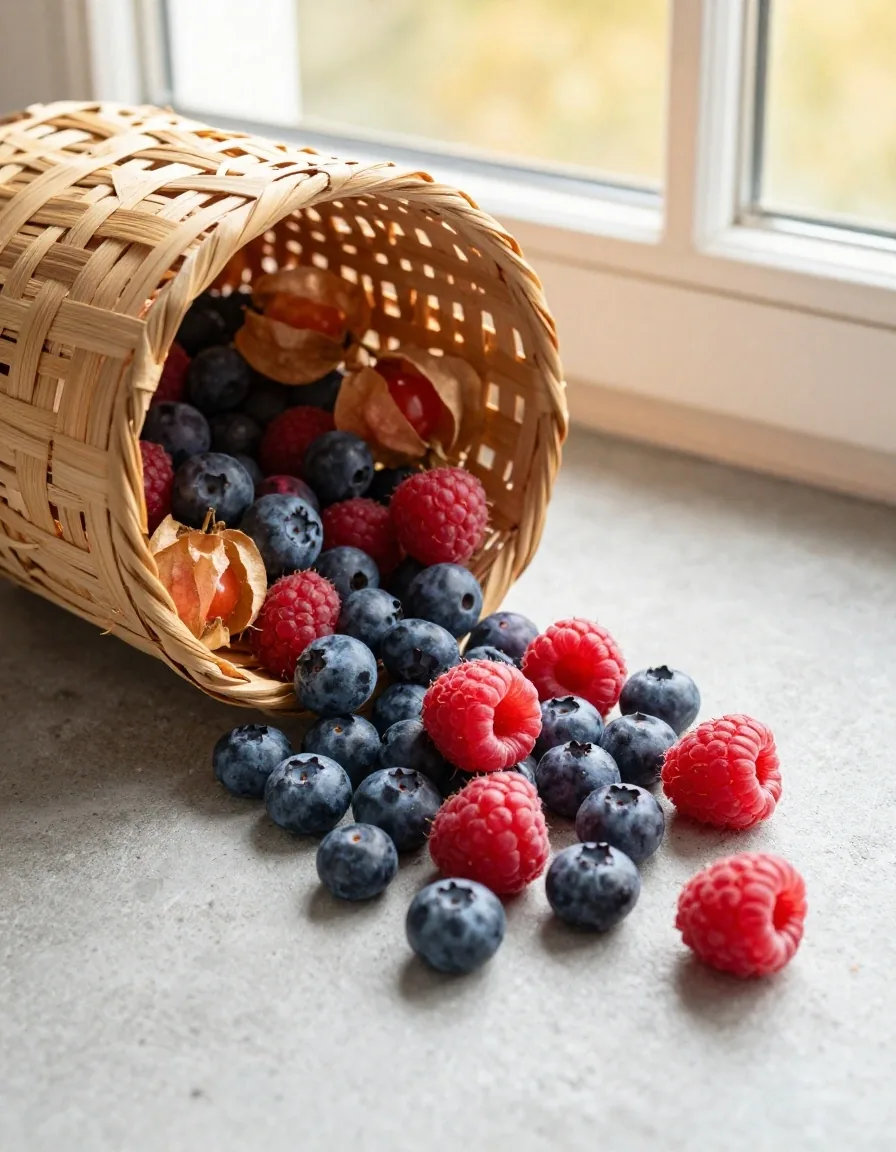
Six common South African berry varieties profiled on this page.
Nutrient profiles
Six berries, six different nutrient stories
Each card lists the berry's main nutrients and a practical note on kitchen use. The green marker on the baseline indicates the relative anthocyanin content for that variety.
Blueberries
Anthocyanin-rich
Dark-skinned and the berry most often linked to eye wellness. The pigments that give them their blue colour belong to a group of plant compounds called flavonoids. A cup also delivers vitamin C and dietary fibre.
Blackberries
Vitamin C & K
A dark-skinned berry with a strong nutrient profile — anthocyanins in slightly different proportions to blueberries, plus vitamin C, vitamin K, and dietary fibre. The seeds contribute texture and add to the fibre content.
Cape gooseberries
Vitamin C source
A South African staple. These small golden berries come in a papery husk with a sharp, tangy flavour. Their standout nutrient is vitamin C, which contributes to normal immune function and helps protect cells from oxidative stress.
Raspberries
Soft & tart
A different texture and flavour profile — soft, tart, and highly perishable. Best eaten within a day or two of purchase. Red raspberries are most common, but black and purple varieties exist too.
Strawberries
Widely grown
Often overlooked in eye-wellness discussions, but a solid source of vitamin C and small amounts of anthocyanins, particularly in the outer flesh. Grown across South Africa and versatile in the kitchen.
Mulberries
Short season
Resemble blackberries but with a softer texture and a sweeter, more complex flavour. Less common in supermarkets — often found at farmers' markets and local grocers in the Western Cape. Contain anthocyanins, vitamin C, and iron.
In the kitchen
How to use each berry at home
Blueberries and anthocyanins
Season: late spring–summer
Anthocyanins are the pigments that give blueberries their dark blue colour, and they belong to a group of plant compounds called flavonoids. A single cup of fresh blueberries provides a meaningful amount of these pigments, along with vitamin C and dietary fibre.
They can be eaten raw, added to porridge, or baked into muffins — though cooking reduces some of the vitamin C content. For the most nutrients, eat them fresh and unheated.
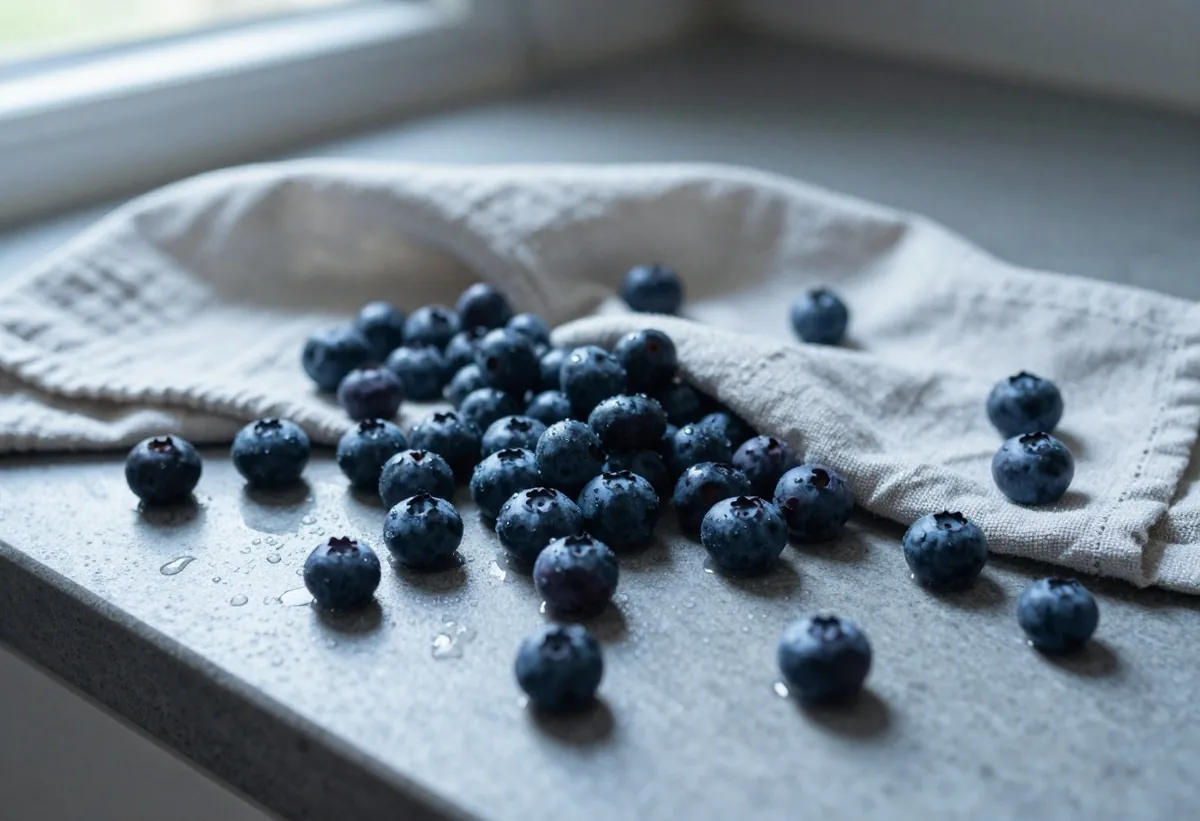
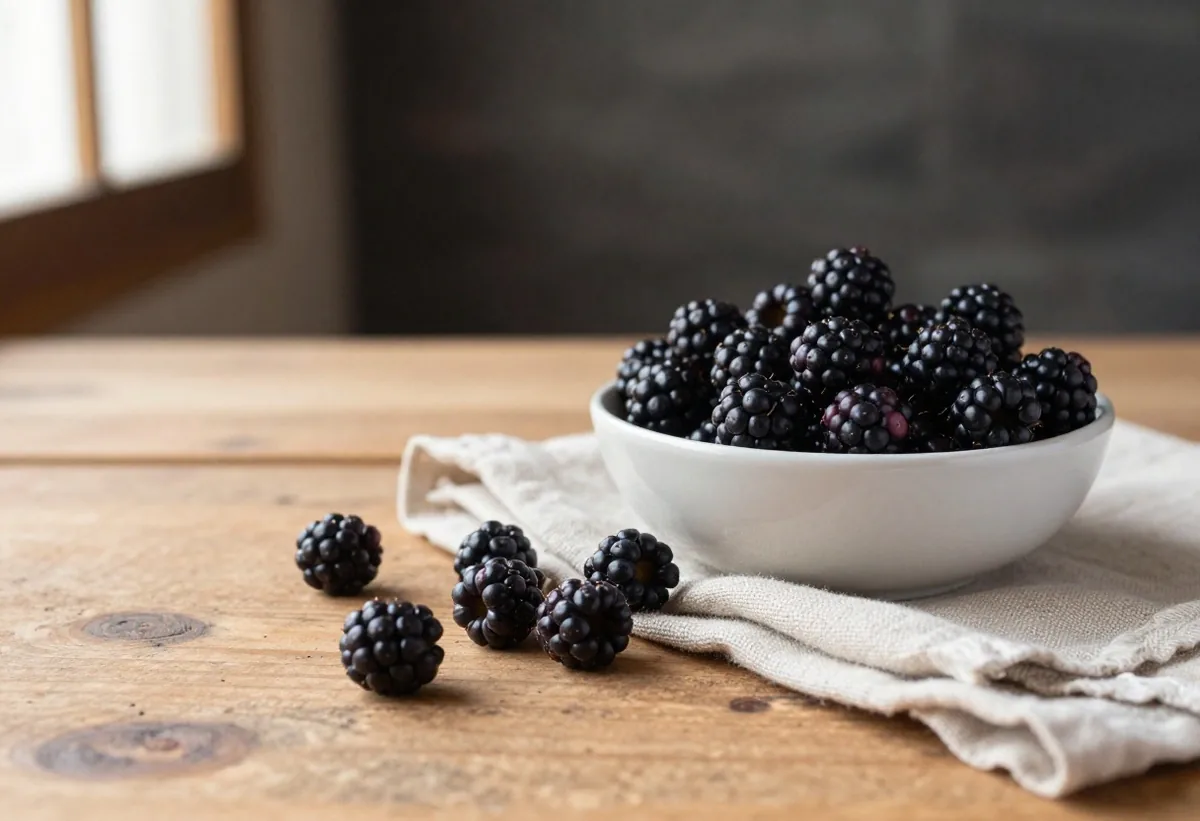
Blackberries and their nutrient profile
Season: summer
Blackberries contain anthocyanins, though in slightly different proportions than blueberries. They are also a good source of vitamin C, vitamin K, and dietary fibre. The seeds in blackberries add texture and contribute to their fibre content.
They work well in yoghurt, smoothies, and fruit crumbles. Their tart flavour pairs well with sweeter fruits like apples in cooked dishes.
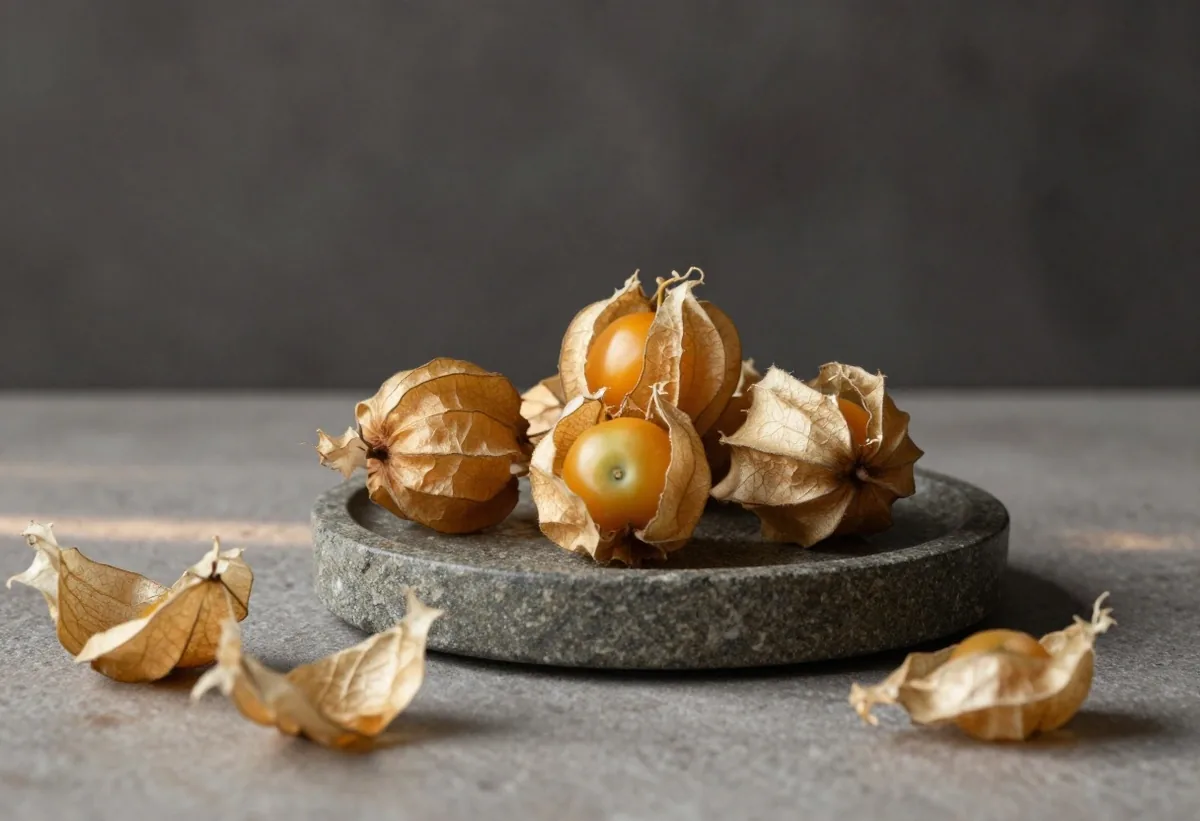
Gooseberries and vitamin C
Season: late spring–autumn
Gooseberries, particularly the Cape gooseberry, are a South African staple. These small, golden berries come in a papery husk and have a sharp, tangy flavour. Their standout nutrient is vitamin C — a nutrient that contributes to the normal function of the immune system and helps protect cells from oxidative stress.
They are available from late spring to autumn and can be eaten fresh, used in salads, or made into jams.
Raspberries for variety
Season: summer
Raspberries offer a different texture and flavour profile compared to other berries on this list. They are soft, tart, and highly perishable, which means they are best eaten within a day or two of purchase. Raspberries contain anthocyanins, vitamin C, and dietary fibre. Red raspberries are the most common, but black and purple varieties exist.
Add them to breakfast cereals, use them as a topping for desserts, or blend them into smoothies.

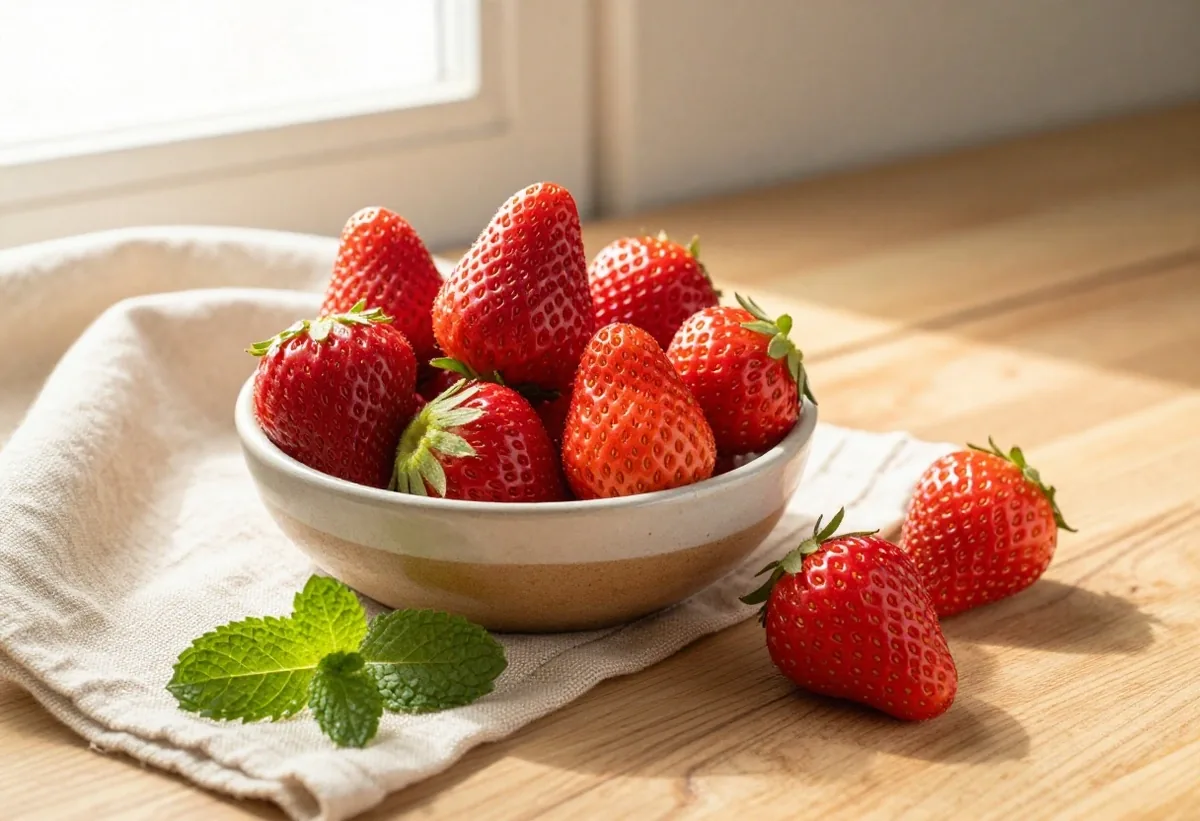
Strawberries and their contribution
Season: spring–early summer
Strawberries are widely available and often overlooked in discussions about eye wellness, but they have a solid nutrient profile. They are an excellent source of vitamin C and contain small amounts of anthocyanins, particularly in the outer flesh.
Strawberries are grown across South Africa and are typically in season from spring through early summer. They are versatile in the kitchen — eat them fresh, slice into salads, or use in desserts.
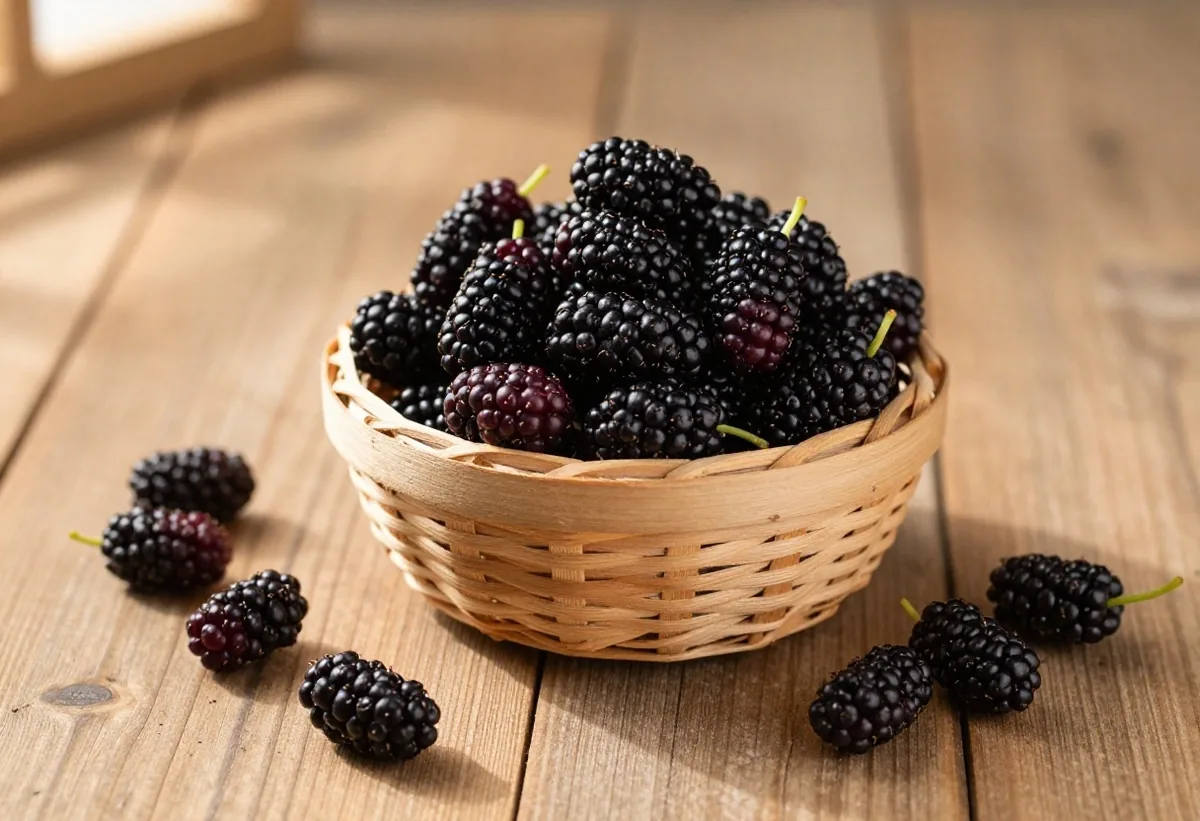
Mulberries and seasonal availability
Season: late spring–early summer
Mulberries are less common in supermarkets but are often available at farmers' markets and local grocers in the Western Cape. They resemble blackberries in appearance but have a softer texture and a sweeter, more complex flavour. Mulberries contain anthocyanins, vitamin C, and iron.
Their season is short — usually lasting only a few weeks in late spring to early summer. If you find them, use them quickly. They are excellent in muffins, pancakes, and fruit salads.
Storage and freshness
How to store berries to preserve nutrients
Berries are delicate and lose nutrients over time, so proper storage matters. Follow these steps to get the most out of each punnet.
Keep them cold and dry
Store fresh berries in the refrigerator, unwashed, in a container that allows some airflow. Wash just before eating — moisture speeds up spoilage. Most berries last three to five days this way.
Freeze what you can't eat
Spread berries in a single layer on a tray, freeze until solid, then transfer to a sealed bag. Frozen berries retain most of their anthocyanin and vitamin C content and are suitable for smoothies and baking.
Use ripe berries first
Sort through your punnet as soon as you get home. Eat the softest berries that day and refrigerate the firmer ones. Removing any damaged berries slows mould from spreading to the rest.
Ordering berries
Ordering berries through Berry & Veg Vision
When berries are in season, they appear on the order produce page with current pricing and availability. We source from growers in the Western Cape and list only what is fresh. Because berries are seasonal, the selection changes throughout the year.
Cape gooseberries
Golden and tangy — a local favourite
Pickup
42 Loop Street, Cape Town
Ordering is done by selecting the items you want and submitting a request. Payment is handled by invoice, bank transfer, or cash on delivery. Pickup is available at 42 Loop Street, Cape Town City Centre. If a berry is out of season, it will not appear on the ordering page until the next harvest window.
Common questions
Berry nutrition and ordering
Answers to questions visitors often ask about this page and the produce ordering process.
Which berry has the most anthocyanins?
Blueberries are the berry most often linked to eye wellness because of their anthocyanin content. Blackberries and mulberries also contain anthocyanins in varying proportions. The green markers on the route cards above indicate the relative anthocyanin content for each variety.
Are these berries available all year?
No. Berries are seasonal, and the selection on the ordering page changes throughout the year. Blueberries and strawberries are in stock from spring through summer, while Cape gooseberries run from late spring to autumn. Mulberries have the shortest window — usually just a few weeks in late spring to early summer.
How do I order berries from this site?
Visit the order produce page, select the berries you want, and submit a request. Payment is handled by invoice, bank transfer, or cash on delivery. Pickup is at 42 Loop Street, Cape Town City Centre. Only in-season items appear on that page.
Do cooked berries still contain nutrients?
Cooking reduces some of the vitamin C content but does not remove all of it. Anthocyanins are more heat-stable than vitamin C but can still degrade with prolonged high-heat baking. For the most nutrients, eat berries fresh and unheated. Frozen berries retain most of their anthocyanin and vitamin C content and work well in smoothies and baking.
Where do the berries come from?
We source from growers in the Western Cape and list only what is fresh. Some varieties, like mulberries, are harder to find in supermarkets and are often sourced from farmers' markets and local grocers in the region.
Keep exploring
Browse more nutrition guides and vegetable profiles
This page covers berries. For vegetables that support eye wellness, or to browse the full set of nutrition guides, visit the related pages below.