Spinach
Lutein · Zeaxanthin · Beta-carotene
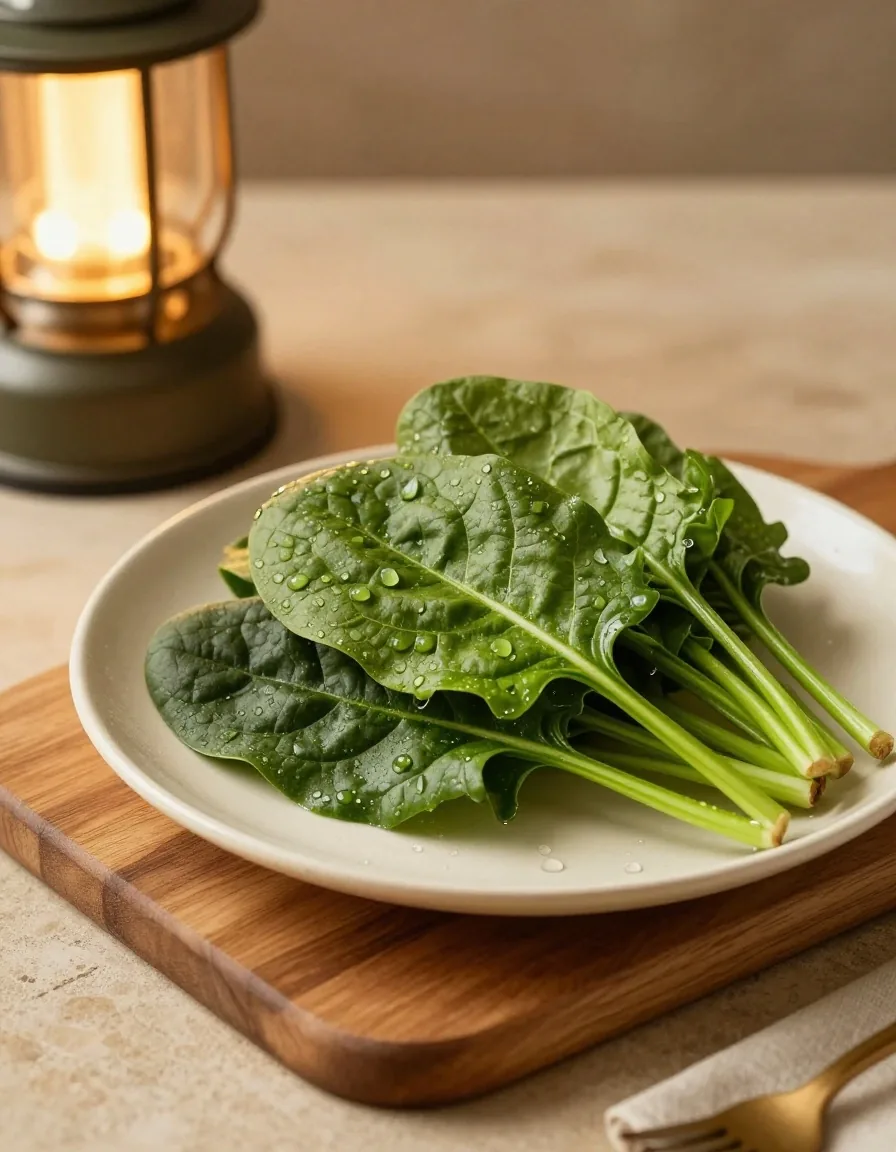
One of the most concentrated sources of lutein and zeaxanthin in a standard grocery shop. Also provides beta-carotene, vitamin C, and iron. Grows year-round in most South African regions.
Visit Us
42 Loop Street, Cape Town City Centre
Cape Town, 8001, South Africa
+27 21 424 5589 [email protected]Mon – Fri, 9:00 AM – 6:00 PM
A field-station register of leafy greens, orange vegetables, and everyday produce that contribute lutein, zeaxanthin, beta-carotene, and vitamin C to your diet. Each entry covers the nutrient profile, flavour, and preparation method.
The vegetables on this page share a common thread: they carry compounds that research consistently links to general eye wellness. Lutein and zeaxanthin are found in the retina, and dietary intake of them contributes to maintaining normal vision function over time. Beta-carotene is a precursor to vitamin A, a nutrient with a well-established role in how the eye processes light.
Each entry below covers what the vegetable contains, how it tastes, and how to prepare it so the nutrients stay available to your body. The South African growing context is noted where it affects availability. All vegetables listed are available through the ordering page when in season and in stock.
Four compounds appear repeatedly across the vegetables listed below. Here is what each one does in the context of eye wellness.
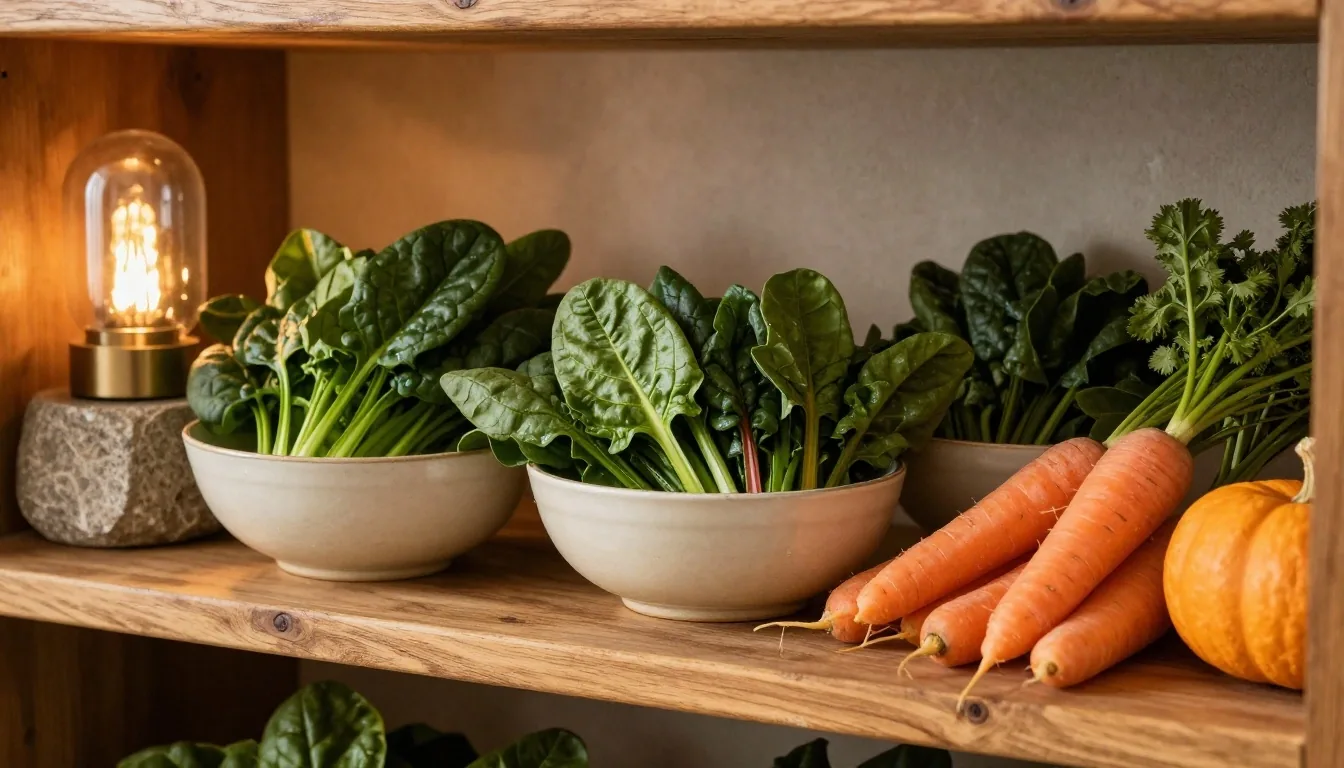
Four vegetables that anchor the list: two leafy greens rich in lutein and zeaxanthin, and two orange roots packed with beta-carotene. The density bar on each card shows relative nutrient concentration for eye wellness.
Lutein · Zeaxanthin · Beta-carotene
One of the most concentrated sources of lutein and zeaxanthin in a standard grocery shop. Also provides beta-carotene, vitamin C, and iron. Grows year-round in most South African regions.
Lutein · Zeaxanthin · Vitamin C
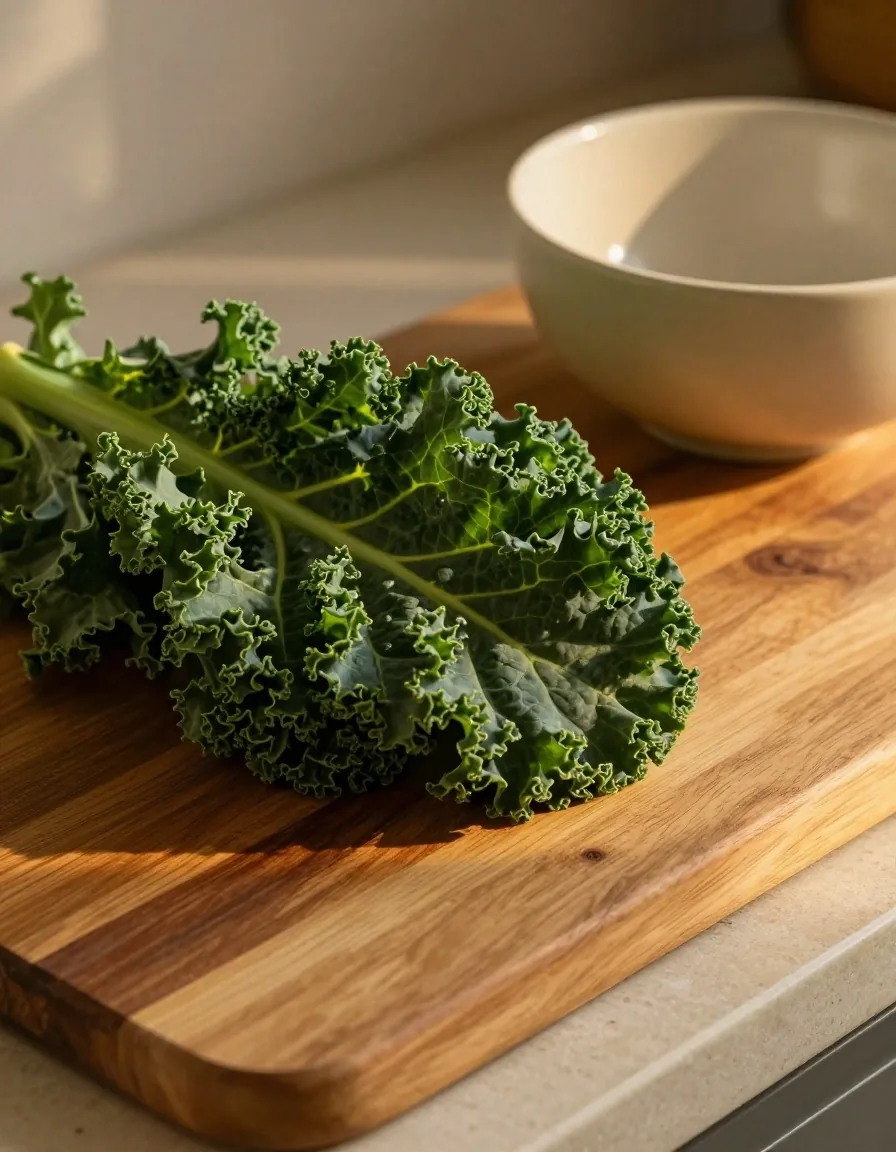
Rich source of lutein and zeaxanthin alongside beta-carotene and vitamin C. Grows well in cooler South African winters, available from autumn through spring.
Beta-carotene · Vitamin A precursor
The vegetable most commonly associated with eyes. Beta-carotene is a precursor to vitamin A, which plays a role in normal vision. Available year-round and inexpensive.
Beta-carotene · Fibre · Vitamin C
Similar profile to carrots with a different flavour and texture. Orange-fleshed varieties are high in beta-carotene. Also provides dietary fibre and vitamin C. Grown in South Africa.
Vitamin C · Beta-carotene
Red and yellow varieties are an excellent source of vitamin C, which helps protect cells from oxidative stress. Also contain some beta-carotene. Most abundant in summer.
Lutein · Zeaxanthin · Vit C · Beta-carotene
A practical all-rounder: lutein, zeaxanthin, beta-carotene, and vitamin C in one vegetable. Cool-season crop, most abundant in autumn and winter. Stalks are also edible.
Spinach is one of the most concentrated sources of lutein and zeaxanthin available in a standard grocery shop. These two compounds are found in the retina of the human eye, and dietary intake of them is linked to general eye wellness. Spinach also contains beta-carotene, vitamin C, and iron, making it a practical choice for everyday meals.
In South Africa, spinach grows year-round in most regions, so availability is rarely an issue. Young, tender leaves work well raw in salads, while mature bunches hold up to cooking. Light cooking — steaming or a quick sauté — increases the bioavailability of lutein compared to raw spinach, because gentle heat helps release the compound from the plant cell structure.
Pairing cooked spinach with a small amount of fa, such as olive oil or butter, further improves how well the body takes up the fat-soluble pigments. A handful wilted into a morning omelette or stirred into a lentil soup at the end of cooking covers the basics without much effort.

Kale has gained attention for its nutrient density, and its profile is relevant to eye wellness. Like spinach, it is a rich source of lutein and zeaxanthin, and it also provides beta-carotene and vitamin C. The leaves are darker and tougher than spinach, which signals a higher concentration of plant pigments per bite.
Kale grows well in cooler South African winters and is available from autumn through spring. The leaves can be tough, so removing the central stem before chopping is recommended. For raw salads, massaging the chopped leaves with a little oil softens them and improves the texture. Kale also bakes into crisp snacks, or it can be added to soups and stews in the last few minutes of cooking.
Because the leaves are sturdy, they hold up well to batch cooking and keep for several days in the fridge without wilting. A simple approach: strip the leaves from the stem, chop roughly, and sauté with garlic and olive oil for a side dish that pairs with almost anything.
Two orange-fleshed roots that share a primary nutrient but differ in flavour, texture, and how they fit into a weekly meal plan.
Carrots are the vegetable most commonly associated with eyes, and the connection comes from beta-carotene. Beta-carotene is a precursor to vitamin A, a nutrient that plays a role in normal vision, particularly in low-light conditions. Carrots are available year-round in South Africa and are inexpensive.
Sweet potatoes offer a similar nutrient profile to carrots but with a different flavour and texture. They are high in beta-carotene, particularly the orange-fleshed varieties. They also provide dietary fibre and vitamin C. Sweet potatoes are grown in South Africa and are generally available year-round.
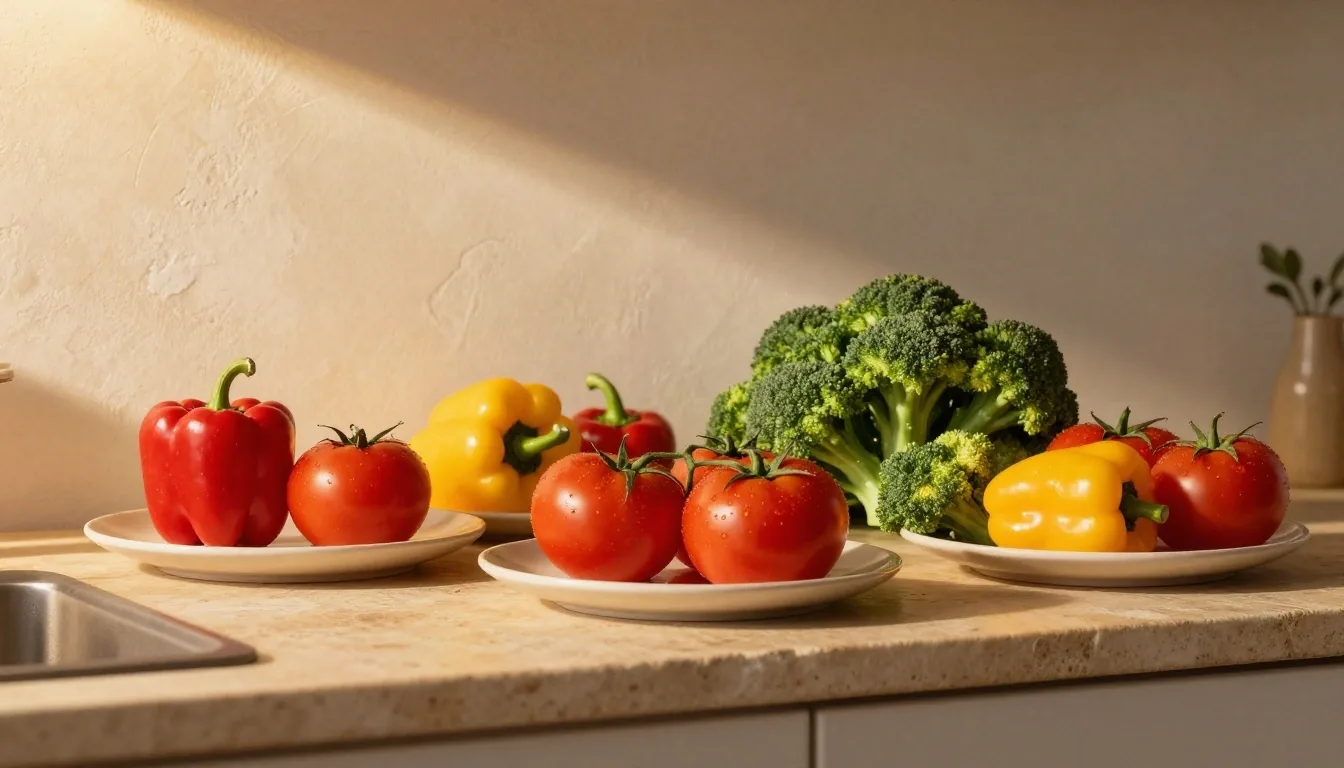
Three vegetables that round out the list — vitamin C from peppers, lycopene and beta-carotene from tomatoes, and a compound nutrient mix from broccoli.
Red and yellow varieties are an excellent source of vitamin C. While beta-carotene and lutein get most of the attention in discussions about eyes, vitamin C is also relevant because it helps protect cells from oxidative stress. Peppers also contain some beta-carotene.
Grown year-round in South Africa, though most abundant in summer. Cooking reduces vitamin C content, so raw preparations retain the most. Try them sliced with dips, roasted, stuffed, or in stir-fries.
Tomatoes contain lycopene, beta-carotene, and vitamin C. While lycopene is more commonly associated with heart wellness, the beta-carotene and vitamin C contribute to their place on this list. Tomatoes are a staple in South African cooking and are available year-round.
Used raw in salads, cooked into sauces, or roasted for a deeper flavour. Cooking tomatoes with a little oil increases the bioavailability of lycopene. Cherry tomatoes are a convenient option for snacking.
Broccoli provides a combination of lutein, zeaxanthin, beta-carotene, and vitamin C, making it a practical choice for an eye-friendly diet. It is a cool-season crop in South Africa, most abundant in autumn and winter.
Steamed, roasted, or stir-fried. Overcooking reduces vitamin C content, so brief methods are preferable. The stalks are also edible — peel and slice them into stir-fries to reduce waste.
The vegetables listed on this page are available for ordering when in season. We source from suppliers in the Western Cape, and availability follows regional growing seasons. Choose between delivery in the Cape Town area or pickup at 42 Loop Street.
Fresh bunches, Western Cape sourced. Year-round availability.
Price per bunch
Delivery or pickup
Orange-fleshed varieties. Year-round, South African grown.
Price per kg
Delivery or pickup
Cool-season heads. Most abundant autumn and winter.
Price per head
Delivery or pickup
Payment is handled by invoice, bank transfer, cash on delivery, or card in person at pickup.
Choose between delivery in the Cape Town area or pickup at 42 Loop Street, Cape Town City Centre. Select your option at checkout.
Practical answers about cooking, availability, and how the vegetables on this page fit into everyday meals.
No. Light cooking — such as steaming or a quick sauté — actually increases the bioavailability of lutein compared to raw spinach. Gentle heat helps release the compound from the plant cell structure, making it easier for the body to take up. Avoid prolonged boiling, which can leach water-soluble nutrients like vitamin C into the cooking water.
Spinach, carrots, sweet potatoes, peppers, and tomatoes are generally available year-round in South Africa. Kale is a cool-season crop, most plentiful from autumn through spring. Broccoli is also a cool-season crop, most abundant in autumn and winter. The order produce page reflects current stock and pricing for each variety.
Beta-carotene in carrots and lycopene in tomatoes are fat-soluble compounds. The body absorbs them more efficiently when they are consumed with a source of fa, such as olive oil, butter, or avocado. Lightly cooking carrots makes beta-carotene more accessible, and cooking tomatoes with a little oil increases lycopene bioavailability. Pairing the two — cooked vegetable plus fa — gives the best result.
Each ordering slab on this page links to the order produce page, where you can select the vegetables you want and submit a request. Choose between delivery in the Cape Town area or pickup at 42 Loop Street, Cape Town City Centre. Payment is handled by invoice, bank transfer, cash on delivery, or card in person at pickup.
No. The information on this page is educational and describes the nutrient content of common vegetables. It is not a substitute for advice from a qualified professional. If you have specific concerns about your vision or dietary needs, consult someone with the appropriate expertise. This page does not make claims about outcomes — it describes what each vegetable contains and how to prepare it.
If this page was useful, the berry nutrition profiles cover the fruit side of eye wellness — elderberries, blueberries, and more. The nutrition guides page collects practical advice on building meals around vision-supporting produce.