
Nutrition Guides
Practical guides for cooking eye-friendly produce
Shopping, preparation, and storage know-how for berries and greens you already want on your plate — written for normal home kitchens.
What this page covers
Guides that move from reading to cooking to ordering
This page collects our nutrition guides for integrating eye-friendly berries and vegetables into everyday meals. The guides are practical and focus on shopping, preparation, and storage. They are written for a general audience and assume no special cooking skills. Each guide connects back to the produce pages, so you can move from a guide to the ordering page if you need to buy the items mentioned.
Weekly shopping list
Build a weekly list around eye-friendly produce without overbuying perishables.
Berry preparation
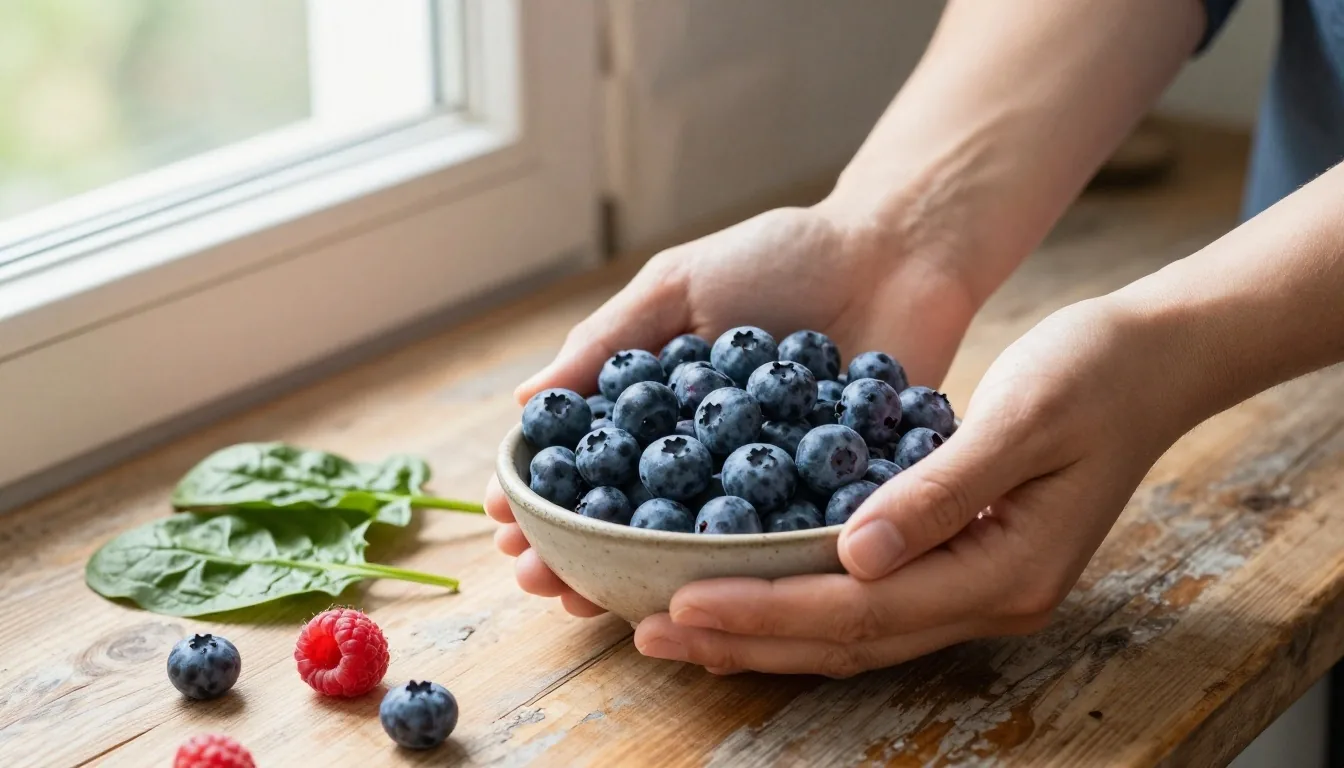
Washing, hulling, and freezing berries to preserve their colour and nutrient content.
Cooking leafy greens
Steaming, sautéing, and wilting spinach and kale for simple side dishes.
Carrots & sweet potatoes
Roasting, mashing, and grating orange vegetables with a small amount of fa.
Peppers & tomatoes
Quick weeknight stir-fries, salads, and pasta sauces from two kitchen staples.
A sample day of eating
One practical example of how these items fit into a normal day of meals.
Guide one · Planning
Building a weekly shopping list around eye wellness
A good shopping list is the foundation of eating well. This guide walks through building a weekly list that includes berries, leafy greens, orange vegetables, and other items from the produce pages. It covers how much to buy per person, what keeps well in the fridge, and what to buy fresh versus frozen.
The goal is to help you shop efficiently without overbuying perishable items that will go to waste. We group the list by shelf life: sturdy carrots and sweet potatoes that survive a week in a cool cupboard, leafy greens that need the crisper drawer, and soft berries that should be eaten within a few days or frozen on arrival.
Rule of thumb
- Plan roughly 200–300g of vegetables per person per main meal.
- One punnet of berries serves two people across two days if eaten fresh.
- Buy leafy greens twice a week rather than once, so they stay crisp.
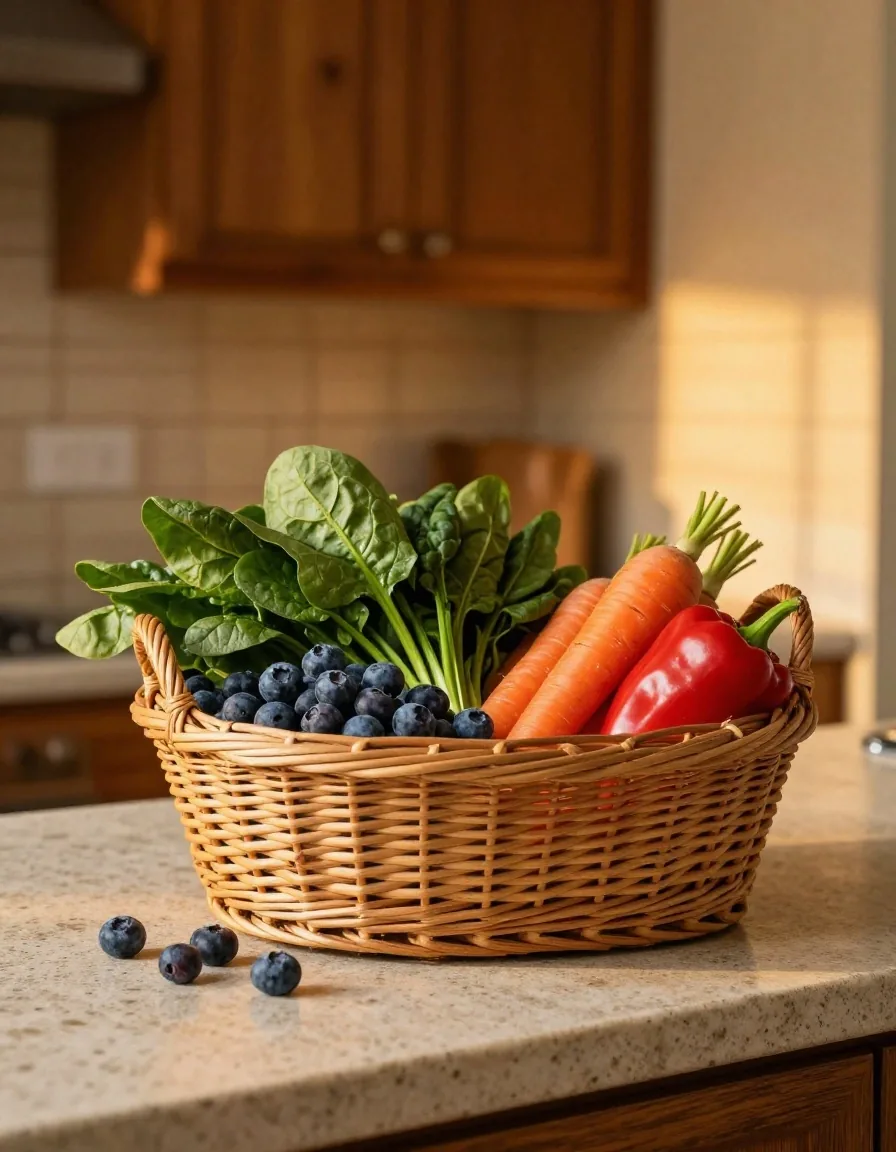
A week’s worth of eye-friendly produce, grouped by shelf life before it goes into the fridge.
Guide two · Berries
Preparing berries for maximum nutrient retention
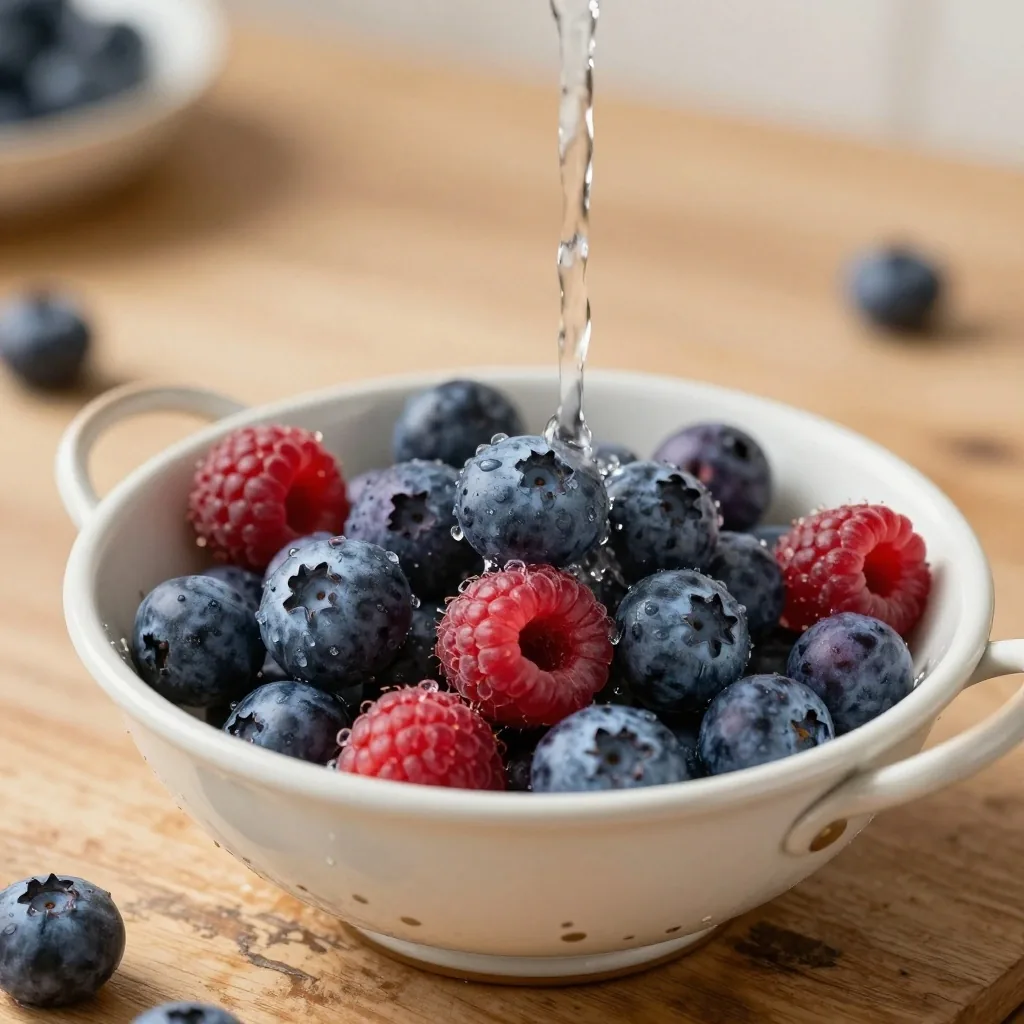
Berries are best eaten fresh and raw to preserve their anthocyanin and vitamin C content. This guide covers washing, hulling, and storing berries, as well as simple preparations like fruit salads, yoghurt parfaits, and smoothies. It also addresses freezing berries for long-term storage and using frozen berries in baking and cooking.
If you buy berries in bulk during summer, this guide explains how to preserve them for use in winter — spread on a tray, freeze solid, then decant into bags so the berries stay loose instead of clumping into a single block.
Try these preparations
Guide three · Greens
Cooking methods for leafy greens
Leafy greens like spinach and kale behave differently in the kitchen. Spinach wilts quickly and can be eaten raw or cooked, while kale benefits from brief cooking or massaging with oil. This guide covers steaming, sautéing, and wilting methods that preserve the lutein and zeaxanthin content of these vegetables.
It also includes recipes for simple side dishes that pair greens with garlic, lemon, and olive oil, which helps with nutrient absorption. A quick massage with olive oil softens raw kale without heat, keeping its colour bright and its texture tender enough for salads.
Steaming
Three to five minutes over boiling water keeps spinach bright and tender. Avoid long steaming — the leaves collapse quickly and you lose volume without gaining flavour.
Sautéing
A warm pan with a tablespoon of olive oil, garlic, and a squeeze of lemon at the end. Kale needs a minute or two longer than spinach; chard sits between the two.
Wilting
Drop washed spinach into a hot, dry pan for thirty seconds, turn with tongs, and transfer to a plate. No oil, no water — the residual heat does the work.
Massaging raw
Rub chopped kale with olive oil and salt for a minute until the leaves darken and soften. Useful for salads where you want crunch without the fibrous chew.
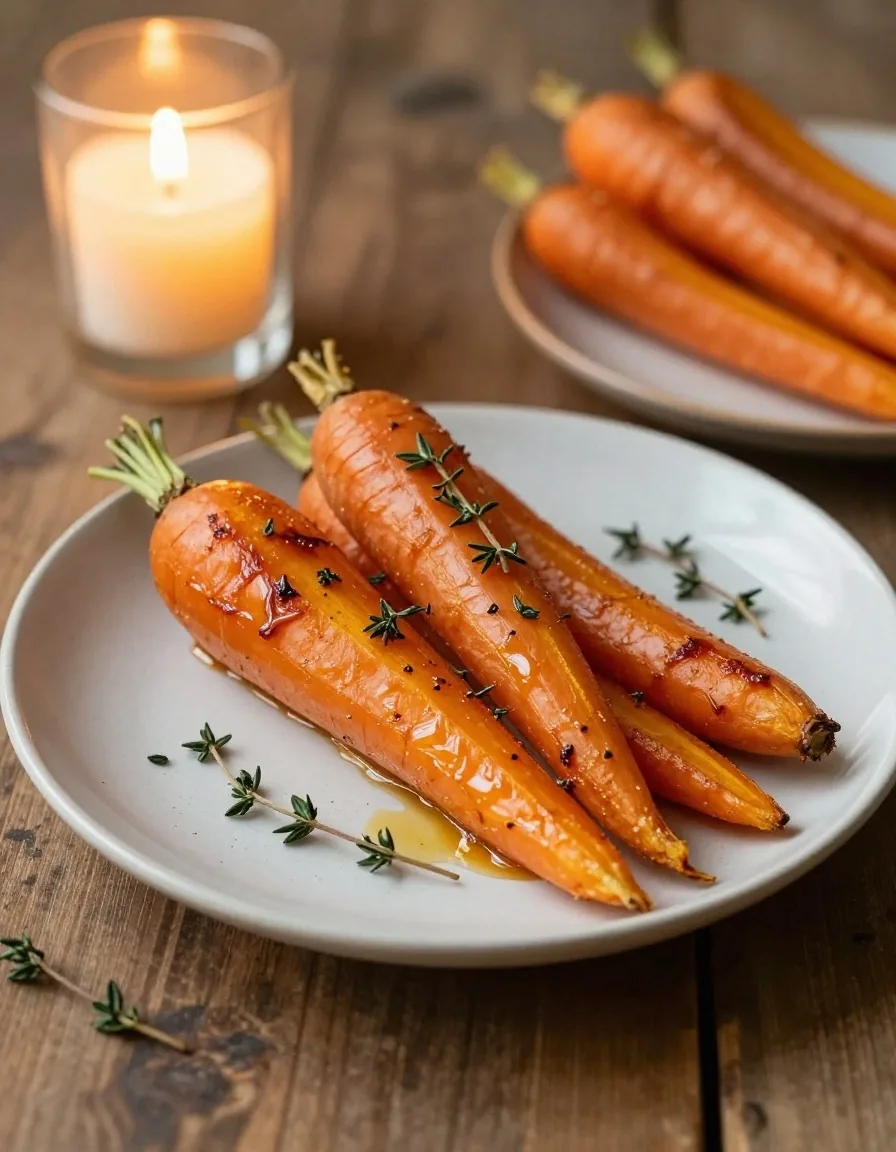
A small amount of fa during roasting helps the body absorb beta-carotene from orange vegetables.
Guide four · Roots
Making the most of carrots and sweet potatoes
Orange vegetables are versatile and forgiving in the kitchen. This guide covers roasting, boiling, mashing, and grating methods for carrots and sweet potatoes. It explains how cooking with a small amount of fa increases beta-carotene absorption and gives recipes for soups, salads, and side dishes.
Sweet potatoes and carrots keep well in a cool, dark place for weeks, making them good staples for a weekly shop. Grated raw carrot works well in salads with lemon and olive oil; roasted sweet potato cubes are a forgiving base for bowls and soups alike.
Storage notes
- Keep carrots and sweet potatoes in a dark cupboard, not the fridge.
- Sweet potatoes do not like cold — below 10°C their texture changes.
- Once cut, wrap carrots tightly and use within three days.
Guide five · Quick meals
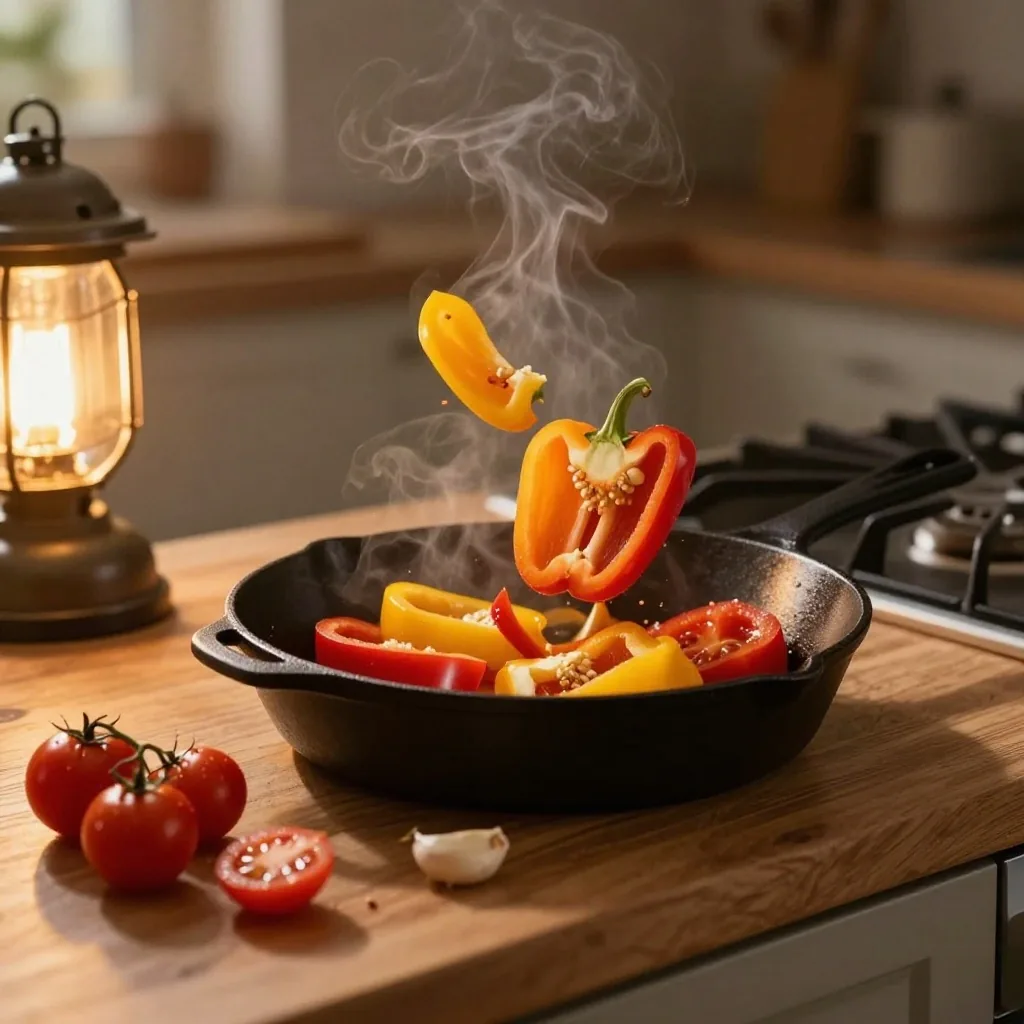
Quick meals with peppers and tomatoes
Peppers and tomatoes are the basis of many quick weeknight meals. This guide covers stir-fries, salads, roasted vegetable medleys, and simple pasta sauces. It explains how to prepare peppers for different cooking methods and how to get the most flavour from tomatoes, whether they are fresh or tinned.
The guide also covers the vitamin C content of these vegetables and why raw preparations are worth including alongside cooked dishes. Roasting tomatoes concentrates their flavour; raw peppers keep their crunch and their vitamin C intact.
Four weeknight starting points
- Stir-fried sliced peppers with garlic and chilli, finished with tomato.
- Fresh tomato and pepper salad with red onion and olive oil.
- Roasted medley of peppers, tomatoes, and red onion on a tray.
- Quick blender tomato sauce with sautéed pepper strips on pasta.
Guide six · Day plan
A sample day of eye-friendly eating
This guide puts the individual produce pages together into a full day of eating. The guide is not a meal plan, but a practical example of how the items on this site fit into a normal day. Adjust the portions and the protein to suit your own kitchen.
Porridge with blueberries and seeds
Cooked oats with a handful of fresh blueberries, a spoonful of mixed seeds, and a drizzle of honey. Frozen blueberries work just as well out of season.
Spinach salad with tomatoes and peppers
Fresh spinach leaves, cherry tomato halves, sliced peppers, and a vinaigrette of olive oil, lemon, and mustard. Add a boiled egg or beans for protein.
Roasted roots with broccoli
Oven-roasted sweet potatoes, carrots, and broccoli with olive oil and salt, served with a protein of your choice. A forgiving tray meal that mostly cooks on its own.
Carrot sticks and a bowl of strawberries
Carrot sticks with hummus in the afternoon, and a bowl of fresh strawberries mid-morning. Both need no cooking and travel well in a container.
Guide seven · Storage
Storage tips to reduce waste
Produce only supports your wellness if you actually eat it, and waste is the enemy of a good food budget. This guide covers storage methods for all the berries and vegetables listed on the site. It explains which items go in the fridge, which stay on the counter, and which keep best in a dark cupboard.
In the fridge
- Berries, unwashed, in a vented container
- Spinach and kale in the crisper drawer
- Cherry tomatoes on the vine, if you prefer them cold
- Peppers in a loose bag, used within a week
On the counter
- Ripe tomatoes, stem-side down, out of direct sun
- Peppers if you will use them within two days
- Firm berries, eaten the same day
In a dark cupboard
- Carrots and sweet potatoes, cool and dark
- Onions and garlic, away from the potatoes
- Winter squash, if you buy it in season
For excess produce, the guide also covers freezing, pickling, and making simple sauces that can be stored for later use. A tray of frozen berries, a jar of quick-pickled peppers, and a pot of roasted tomato sauce all carry the flavour of summer into weeks when the fresh version is harder to find.
Guide eight · Ordering
Using the ordering page with these guides
Each guide references specific berries and vegetables that are available through the ordering page. If a guide mentions blueberries, you can check the ordering page to see if they are in season and in stock. This connection between the guides and the ordering section is designed to make it easy to move from reading to cooking.
If a guide calls for an item that is out of season, the guide will note a substitute or suggest waiting until the item is available.
Common questions
Questions about the guides and ordering
Quick answers to the questions that come up most often when readers start using the nutrition guides alongside the produce pages.
Do I need any special cooking skills to use these guides?
No. The guides assume a normal home kitchen with a stove, an oven, and a knife. Methods are kept simple — steaming, sautéing, roasting, and raw preparation — and the recipes use ordinary ingredients like olive oil, garlic, and lemon.
Can I substitute frozen berries for fresh in the recipes?
Yes. Frozen berries work well in smoothies, porridge, baking, and cooked sauces. For fruit salads or garnishes, fresh berries hold their shape better. The berry preparation guide explains how to freeze fresh berries so you always have a substitute ready.
What happens if a guide mentions a produce item that is out of season?
The guide will note a substitute or suggest waiting until the item is available again. The ordering page shows what is currently in stock, so you can check before planning a meal around a specific berry or vegetable.
Is the sample day a meal plan I should follow exactly?
No. The sample day is a practical example of how the items on this site fit into a normal day, not a structured meal plan. Adjust the portions, the protein, and the timing to suit your own routine and preferences.
How do I move from a guide to ordering the produce it mentions?
Each guide includes a link to the ordering page. Click the button marked Check produce availability to see whether the item is in season and in stock, then continue from there. The produce pages also list the varieties referenced in each guide.